
LRT-Accessible Hotels in Kuala Lumpur
How to choose hotels near Rapid KL LRT and MRT stations — Kelana Jaya Line, Ampang/Sri Petaling, Kajang Line tips, area picks, and when rail beats Grab for your Klang Valley stay.
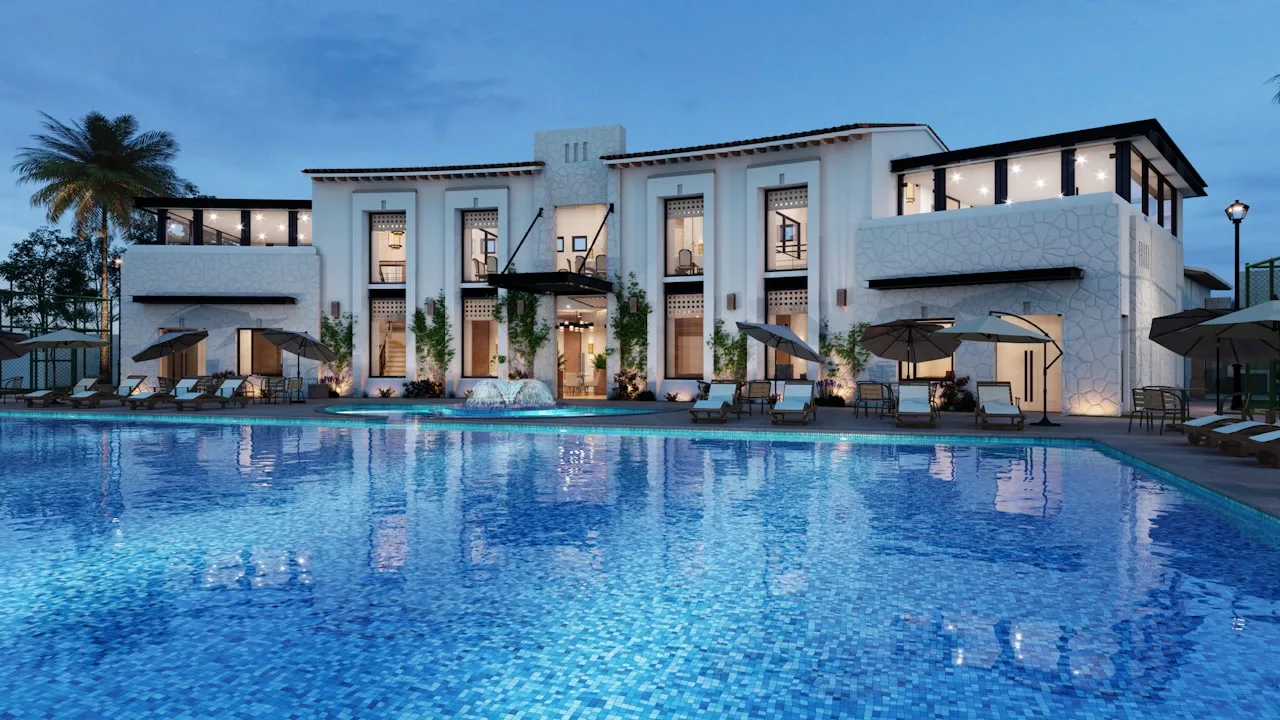
If you are staying in Kuala Lumpur or the wider Klang Valley for more than a night or two, rail access is often the difference between a calm trip and a schedule eaten by traffic. The Rapid KL network — LRT, MRT, Monorail, and connecting buses — is the backbone of everyday movement for locals and for visitors who want predictable travel times between meetings, malls, and neighbourhood food spots.
This guide focuses on hotels you can realistically use with the LRT (and closely linked MRT lines): what “near a station” actually means, which corridors make sense for different trip types, how to combine KL City Centre, Petaling Jaya, Cheras, and Subang, and when you should still book a car-oriented resort like The Saujana Hotel instead of chasing a station entrance.
MySafeQ is an editorial stay guide — we do not run a booking engine. Always confirm rates and room types on the hotel site or a trusted platform such as Booking.com or Agoda, and check live train information on the operator’s channels before you rely on a tight connection.
Why rail access matters more than a “central” label
Marketing copy loves the word central. In KL that word can mean anything from a walkable Bukit Bintang block to a highway-facing tower that looks close on a map but costs 40 minutes in evening traffic. Rail-accessible stays give you three practical advantages:
- Time you can plan — Off-peak LRT/MRT hops between PJ and the city are often more reliable than Grab estimates that jump when rain hits the Federal Highway or the LDP.
- Budget control — A Touch ’n Go or TnG eWallet fare for a few station hops is usually cheaper than repeated short rides across the valley.
- Trip flexibility — You can change dinner plans, add a mall stop, or shift a meeting without renegotiating parking and peak-hour routes.
Tourism Malaysia’s visitor materials still frame Kuala Lumpur as a multi-hub city rather than a single downtown — see the official overview on Tourism Malaysia for context on neighbourhoods and transport. For a plain-language map of how the metro pieces fit together, Wikipedia’s Rapid KL article and the Klang Valley Integrated Transit Map are useful orientation tools before you book.
What “LRT-accessible” should mean when you book
Use a stricter definition than “somewhere on the same side of the city.” For this guide, a hotel is LRT-accessible if at least one of the following is true:
- Walkable — 10 minutes or less on foot to a station entrance in normal weather, without crossing a highway that forces a long detour.
- Short ride — A 5–10 minute Grab or hotel shuttle to a station that you will use most days.
- Interchange-first — The property sits near a major interchange (for example around KL Sentral) so you can switch LRT/MRT/KTM/Monorail without a long surface transfer.
If the listing only says “near LRT” and the pin is 2–3 km away with no sidewalk story, treat it as car-first. That is fine for some trips — just do not pay a premium as if you had doorstep rail.
Quick self-check before you confirm a room
| Question | Prefer yes |
|---|---|
| Can you reach a station without crossing a major expressway on foot? | Yes |
| Is your main daily destination on the same line or one interchange away? | Yes |
| Are you travelling with luggage you cannot roll on escalators easily? | Plan elevator stations / Grab for first–last mile |
| Do you need late-night returns after last train? | Confirm last-train times + Grab backup |
| Is the hotel in a flood-prone underpass walk? | Check recent guest notes in wet season |
The lines that matter for hotel hunting
You do not need to memorise every spur. Focus on the corridors that actually cluster hotels and visitor destinations.
Kelana Jaya Line (LRT)
The Kelana Jaya Line is the classic PJ–city spine: Putra Heights / Kelana Jaya / Asia Jaya / Bangsar / KLCC corridor thinking for many corporate travellers. Hotels and serviced apartments along this line suit:
- Office weeks in Damansara, Kelana Jaya, and western PJ
- Dinner and mall evenings at Paradigm or nearby retail clusters
- Guests who want an easy path toward KLCC without living inside KLCC rates
Our Petaling Jaya area guide covers why PJ is often the corporate default. Pair it with the business travel hotels overview if your stay is meeting-heavy.
Ampang and Sri Petaling Lines (LRT)
These lines stitch older east–south corridors and connect into the city fabric that tourists associate with markets, stadiums, and heritage-adjacent neighbourhoods. They are useful when your itinerary mixes city sights with visits to family in Ampang, Cheras-edge areas, or southern KL — but always verify the exact station relative to your hotel pin. “On the Ampang Line” is not the same as “five minutes from Bukit Bintang.”
Kajang Line (MRT Line 9) — Cheras’s friend
For Cheras and southern KL, the Kajang Line (MRT) is often more important than classic LRT branding. Silka Cheras is a practical example of a value stay that works when you treat MRT + short Grab as your daily pattern rather than expecting a lobby-to-platform walk. Read the Cheras area guide and the Cheras vs Petaling Jaya comparison before you choose price over interchange convenience.
KL Monorail and MRT city loops
Inside the tourist core, Monorail and MRT stops around Bukit Bintang / KLCC reduce walking in heat and rain. First-time visitors who prioritise sightseeing over corporate PJ meetings should start with the KL City Centre guide and only expand westward if rates or meetings push them to PJ.
Airport links (not LRT, but planning partners)
Airport rail is a different product. KLIA Ekspres and KLIA Transit connect the airports to KL Sentral. If your trip starts with a late arrival or early departure, decide whether you need an airport-adjacent night first — see Best hotels near KLIA and KLIA2 — then move to an LRT/MRT hotel for the rest of the stay.
Area-by-area: where LRT/MRT stays make sense
KL City Centre — maximum stations, highest rates
Best for: First visits, shopping, nightlife, conferences at KLCC, short stays where every hour counts.
Rail logic: You can often walk between hotel, mall, and station. The trade-off is price and noise. Book early for school holidays and major events.
Stay pattern tip: If you only have two full days in KL, paying for city rail walkability usually beats saving RM80/night in an outer suburb and spending that difference on Grab.
Petaling Jaya — the LRT lifestyle middle ground
Best for: Business travel, multi-night stays, mall dining, travellers who want quieter evenings than Bukit Bintang.
Rail logic: Kelana Jaya Line hotels and apartments shine when your calendar is PJ-heavy with occasional city hops. You are buying predictable commuting, not postcard views of the Petronas Towers from the pillow.
Related reading: Weekend staycation ideas in Selangor if part of the trip is leisure.
Cheras — value + MRT discipline
Best for: Budget multi-night stays, family visits in Cheras, guests who cook or eat locally and ride into the city a few times.
Rail logic: Prioritise hotels within a short ride of Line 9 stations. Cheras rewards travellers who accept a first-mile Grab as normal. If you refuse any ride-hailing, Cheras walkability varies sharply block by block — read recent guest comments carefully.
Related reading: Budget hotels in Kuala Lumpur and family-friendly hotels in the Klang Valley.
Subang — strong stays, weaker doorstep LRT
Best for: Resort pace, golf-adjacent weekends, meetings toward Sunway / Glenmarie / universities.
Rail logic: Subang is not the star of pure LRT hotel hunting. The Saujana Hotel is a full-service, car-and-Grab oriented base — excellent for the stay itself, weaker if your daily plan is “walk to LRT every morning.” Use KTM / LRT interchanges in the broader Subang Jaya story when it helps, but do not force a rail narrative onto a resort stay. See the Subang area guide.
Matching trip type to a rail corridor
Leisure first-timers (3–5 nights)
- Base in KL City Centre near MRT/Monorail/LRT access.
- Day-trip to Batu Caves, markets, and one PJ mall evening if desired.
- Keep one buffer evening without long transfers after a heat-heavy outdoor day.
Official attraction context: Department of Statistics Malaysia and tourism boards publish visitor stats, but for practical attraction hours always use the venue’s own page — for example Petronas Twin Towers visitor information when tickets matter.
Corporate week (Sun night–Thu)
- Prefer PJ / Kelana Jaya Line if offices are west.
- Prefer KLCC-adjacent if clients and venues are downtown-only.
- Book refundable rates when agendas shift — common on Malaysian corporate trips.
Family staycation (2–3 nights)
- Choose stations with elevators and shorter walks.
- Cheras or PJ can beat city rates while still allowing a one-line city day.
- Plan meals near stations so toddlers are not stranded mid-block in afternoon rain.
Airport-in, city-out itineraries
- Land → KL Sentral via KLIA Ekspres/Transit or Grab.
- Transfer once to your hotel line.
- Avoid hotels that require two surface transfers with large luggage on day one.
How to research a specific hotel’s rail story
Listing photos rarely show the walk. Use this workflow:
- Open the map pin in two apps (Google Maps + your Grab map) and switch to transit + walking modes at the hour you will actually travel.
- Street-view the last 300 metres — look for covered walkways, construction barriers, and highway crossings.
- Check interchange burden — one interchange is fine; three with stairs is miserable with suitcases.
- Read wet-weather reviews — KL rain turns “7-minute walk” into “20-minute soggy detour.”
- Confirm last train on Rapid KL / MyRapid channels for your travel dates; schedules can adjust for maintenance.
- Price the Grab alternative for your real itinerary — if you will ride Grab four times daily anyway, a slightly cheaper non-rail hotel may win.
For neighbourhood character beyond the station name, cross-check our area pages and long-form posts rather than relying on a single aggregator blurb.
Sample day plans that only work with decent rail access
Plan A — PJ hotel, KLCC afternoon, PJ dinner
- Morning meetings near Kelana Jaya / Damansara
- LRT toward KLCC for a client lunch or tower-area appointment
- Return west before Friday peak if you can
- Dinner at a PJ mall so you are not fighting city nightlife traffic home
This plan fails if your “PJ hotel” is actually a 25-minute car ride from the nearest useful station every time.
Plan B — Cheras value stay, two city sightseeing days
- Breakfast local, Grab to MRT, ride into the city
- Compact sightseeing radius (avoid scheduling Bangsar and far Ampang and a southern mall the same day)
- Return before late evening if travelling with children
This plan fails if you pick a Cheras hotel far from Line 9 and treat Grab across the whole valley as “basically the same.”
Plan C — City hotel, one Subang spa afternoon
- Keep the city rail base for most nights
- Use Grab or a planned transfer for a single resort afternoon at Saujana / Sunway corridor
- Do not relocate hotels mid-trip unless you have a long stay
Moving hotels mid-week often costs more in friction than it saves.
Money, tickets, and small logistics that affect hotel choice
- Reloadable cards / e-wallets: Touch ’n Go remains the common path for visitors; confirm current tourist options on the Touch ’n Go site before arrival.
- Cash vs cashless food near stations: Station retail is increasingly cashless; keep a backup method for older kopitiams a few blocks away.
- Luggage storage: If you check out early but fly late, ask the hotel about luggage hold — easier than circling Sentral with bags between trains.
- Accessibility: Not every station has the same elevator reliability. If mobility is a constraint, email the hotel asking for the exact station exit and step-free route they recommend.
- Safety basics: Use official station areas at night; standard big-city awareness applies. For broader travel advisories, consult your government’s travel site (for example step.state.gov for U.S. readers) alongside local common sense.
When you should not optimise for LRT
Rail is a tool, not a moral requirement. Skip the LRT-first rule when:
- You are booking a resort weekend where the pool is the product (Saujana, spa packages, golf).
- Your meetings are all within one campus that provides parking and shuttles.
- You travel with bulky equipment better suited to a single daily Grab than three train changes.
- You arrive after last trains and leave before first trains on a one-night stop — then airport-area logic wins.
Honest positioning beats forced SEO language: MySafeQ would rather you enjoy Subang greenery than pretend every good hotel sits on a platform.
Internal shortlist: start here on MySafeQ
Use these pages as your planning stack:
| Need | Start page |
|---|---|
| City sightseeing base | KL City Centre |
| Corporate + LRT lifestyle | Petaling Jaya |
| Budget + MRT pattern | Cheras + Silka Cheras |
| Resort / Subang meetings | Subang + The Saujana Hotel |
| Airport night | Best hotels near KLIA |
| Business framing | Business travel hotels in KL |
| Value framing | Budget hotels in KL |
| Family framing | Family-friendly hotels |
Browse the full hotel guides index and blog for newer pieces as we expand Phase 5 content.
Checklist: book an LRT-smart stay in 15 minutes
- Write down your top three daily destinations (not ten wish-list pins).
- Place them on a transit map mentally — same line, one interchange, or car-required?
- Filter hotels to walkable or short-ride stations on that path.
- Reject listings that only show highway access photos if you need daily rail.
- Compare total trip cost: room + expected Grab + rail, not room alone.
- Choose refundable rates when agendas are unstable.
- Save station names + hotel address offline; mobile data can wobble underground.
- On arrival day, do the luggage-heavy leg when you are freshest — usually hotel first, exploring second.
Frequently asked planning questions
Is MRT “good enough” if the hotel is not on an LRT line?
Yes. For Cheras especially, MRT Line 9 is the rational rail story. This article uses “LRT-accessible” in the visitor sense of rapid-rail accessible, while calling out MRT where it is the better fit.
Should I stay next to KL Sentral for every trip?
Only if you are transferring a lot (airport, KTM, multiple lines) or have a Sentral-area schedule. Sentral is powerful but not always the nicest leisure base compared with KLCC walkability or a calmer PJ neighbourhood.
Do I need a hotel with its own shuttle to the station?
Nice if offered; not mandatory if the walk is truly short and shaded. A shuttle that runs every 45 minutes can be worse than a 6-minute Grab.
Are serviced apartments better than hotels for rail stays?
Often yes for weeks-long work trips — laundry and a small kitchen reduce mall dependency — but verify the apartment’s actual walking path. Some towers look close to LRT on maps while dumping you on the wrong side of a busy junction.
Editorial notes and sources to trust
When details conflict, prefer:
- Operator pages under MyRapid for lines, disruptions, and fares
- Hotel official sites for check-in rules and shuttle hours
- Tourism Malaysia for destination framing
- Our own area/hotel pages for Klang Valley stay positioning without fake “book now” UX
Background reading on how Malaysia’s urban rail grew is available via encyclopaedic summaries such as Rapid KL and line-specific pages linked above. Treat wiki pages as orientation, not live operations data.
Bottom line
Book the hotel that matches your daily line, not the hotel with the flashiest skyline thumbnail. In the Klang Valley, LRT- and MRT-smart stays usually mean:
- City centre when sightseeing density matters
- Petaling Jaya when corporate LRT rhythm matters
- Cheras when value + MRT discipline matters
- Subang resorts when the stay itself is the point and rail is optional
Start with the area guides, shortlist two properties, walk the last metres on Street View, and only then lock the rate. If you want us to expand coverage for a specific station cluster (for example more Kelana Jaya Line hotels or Penang/JB later), contact MySafeQ — Phase 5 of our roadmap is ongoing publishing, not a one-off brochure.
For more practical stay planning across Selangor and KL, keep exploring the MySafeQ blog and the FAQ for booking and neighbourhood questions we hear most often.